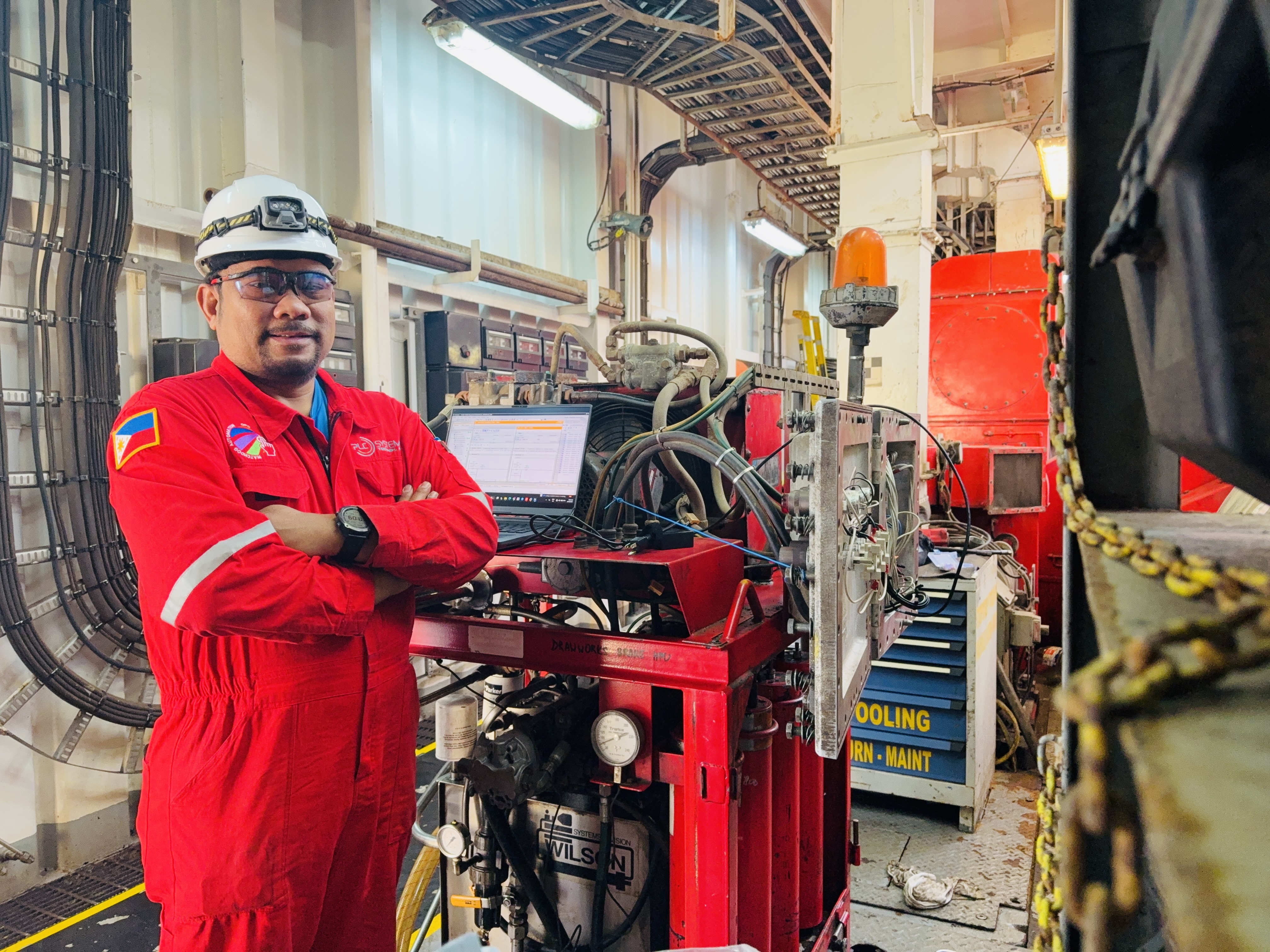
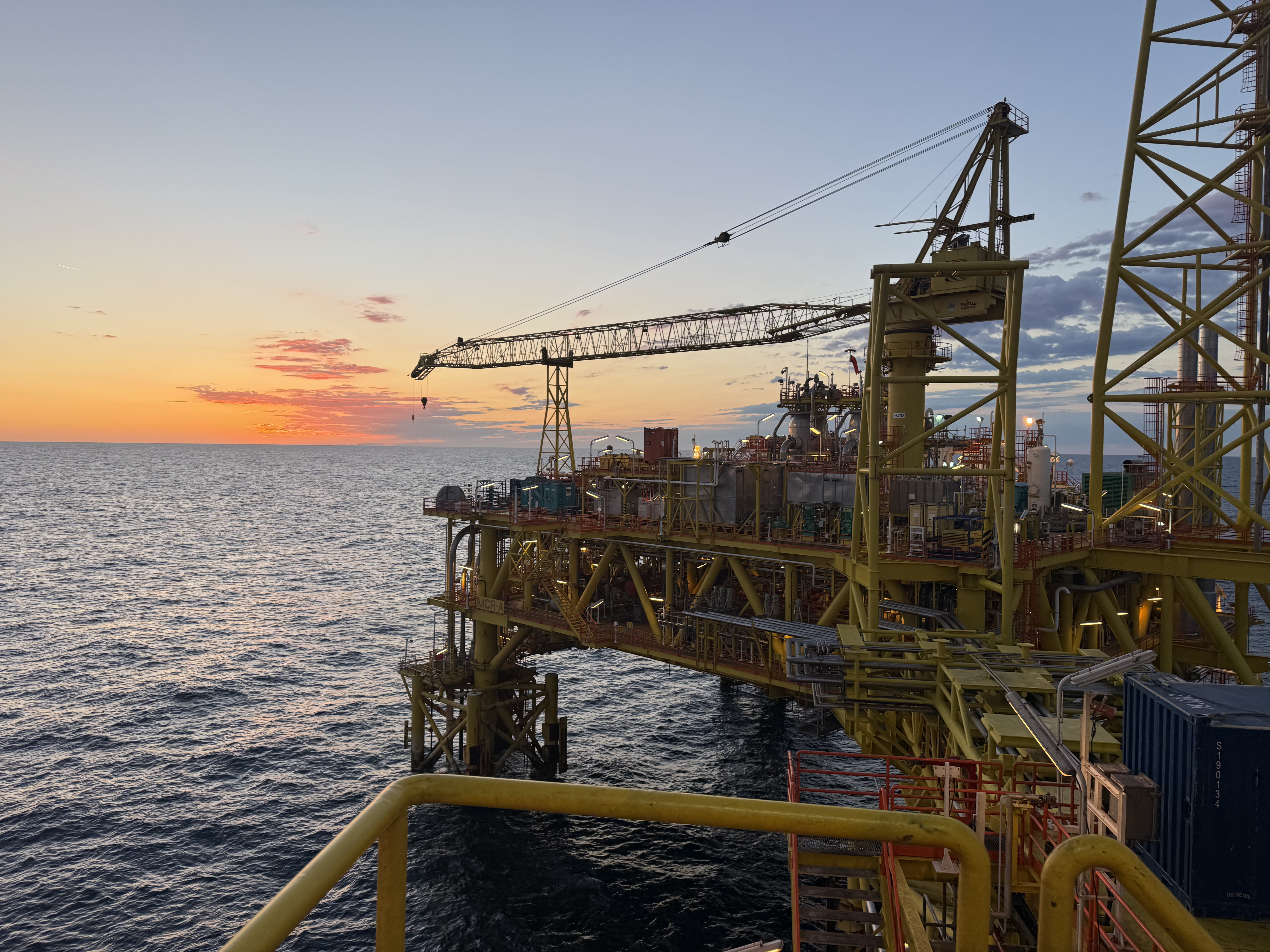
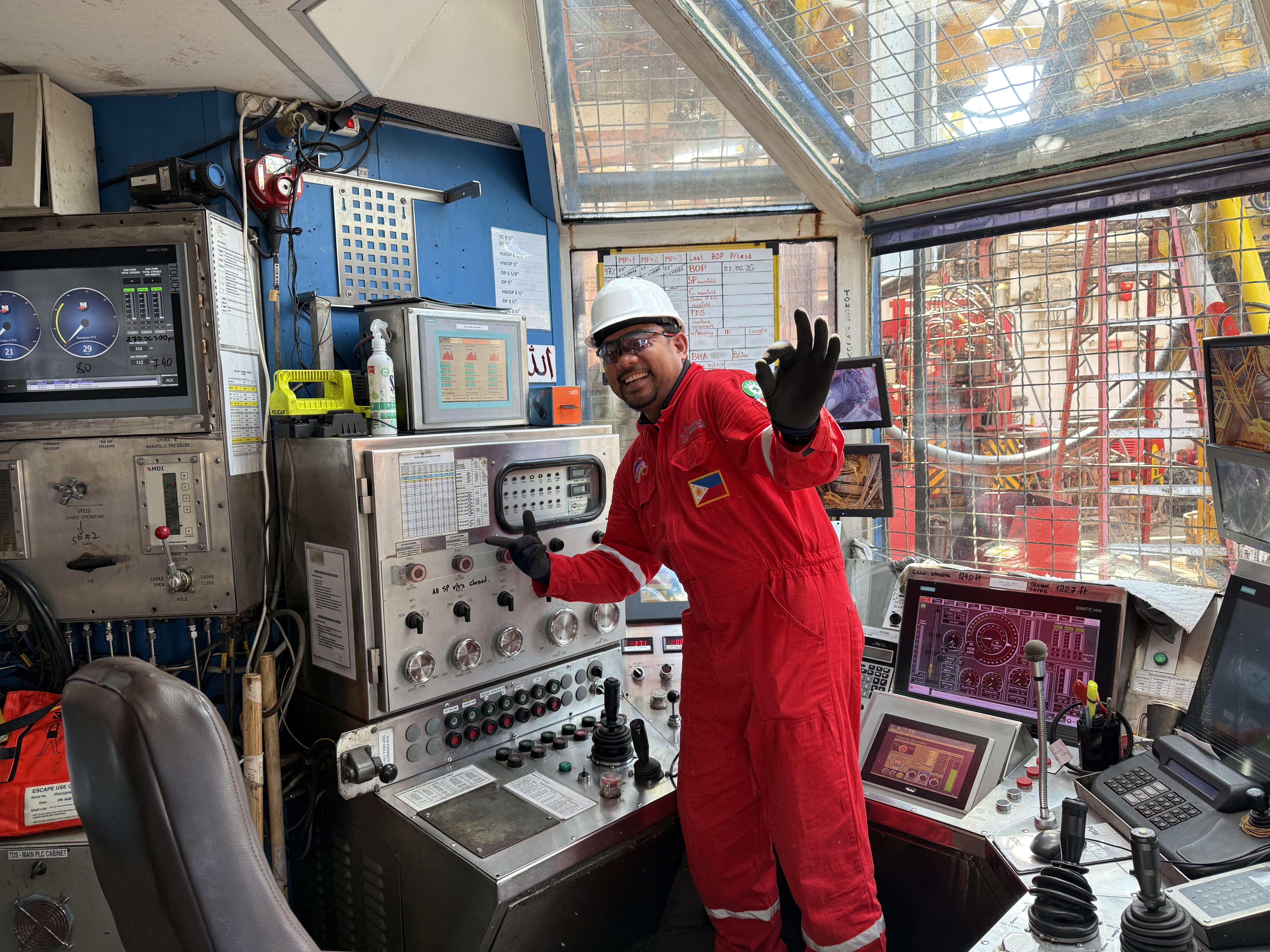
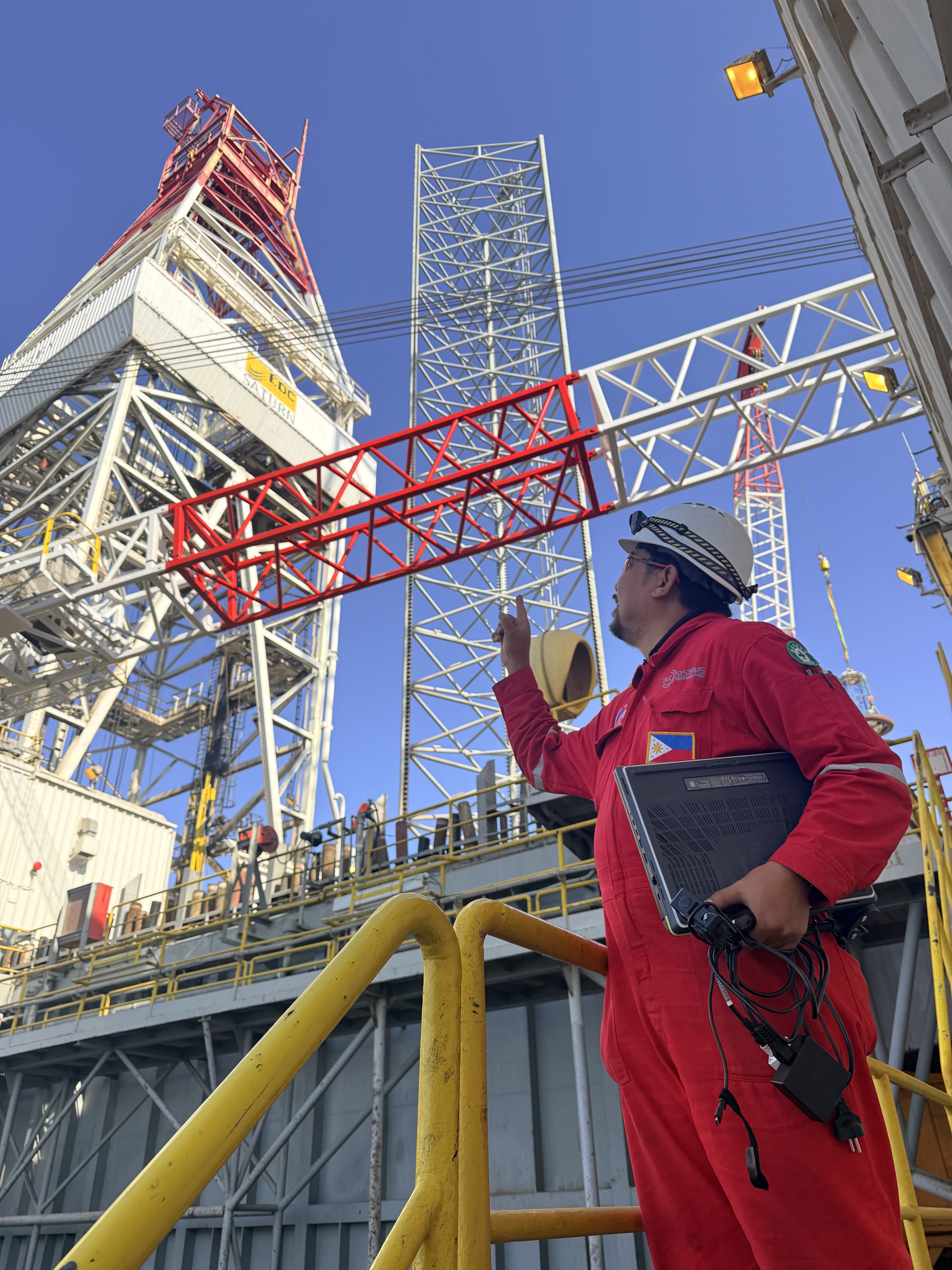
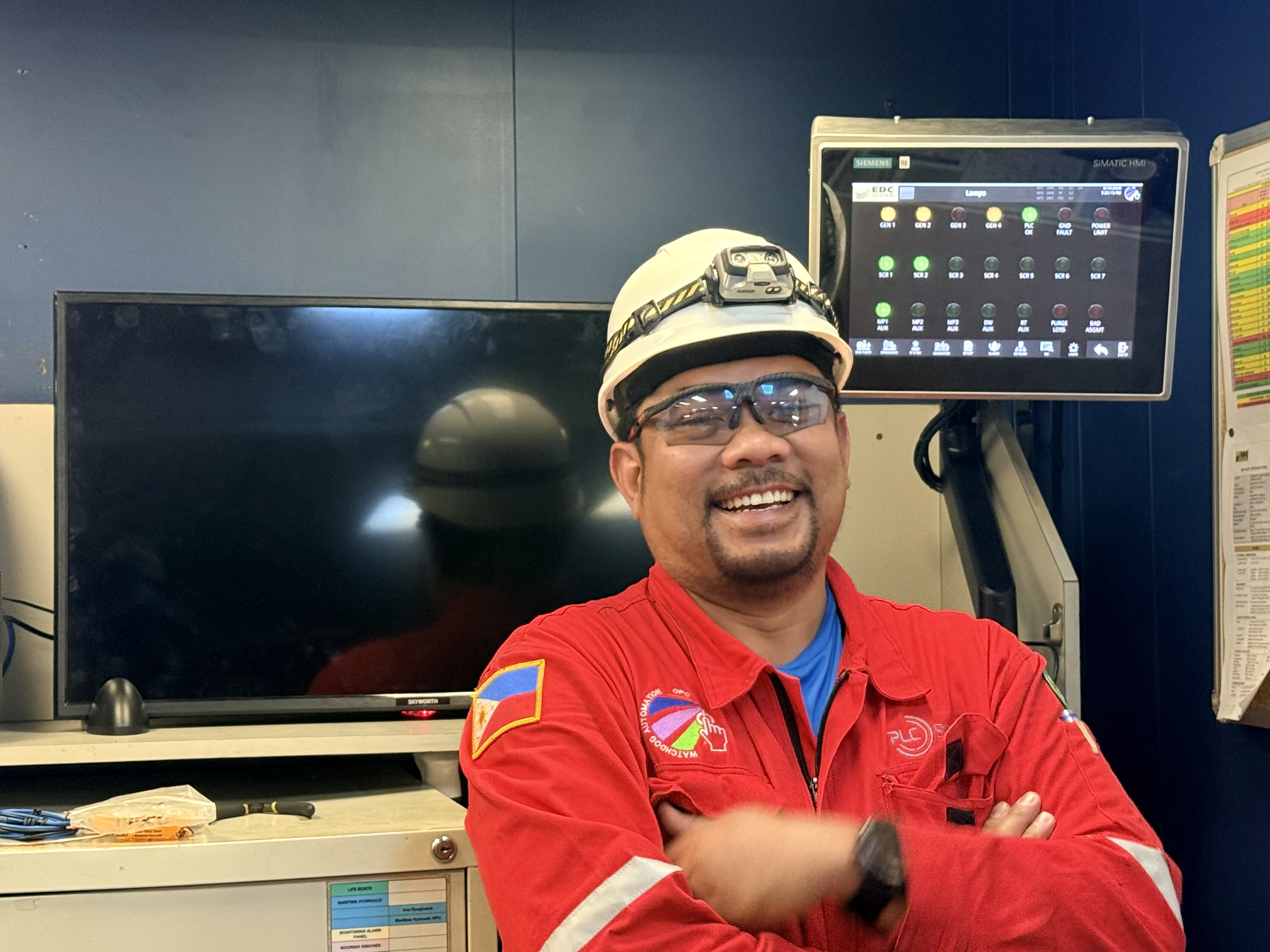
The Saturn Offshore Drilling Rig SCR Network and Rig-Floor Automation Modernization Project was a multi-scope automation upgrade and commissioning program completed onboard the Saturn Offshore Drilling Rig, located in the Caspian Sea. The project focused on modernizing several critical control and monitoring systems connected to the rig’s SCR network and drilling equipment.
The overall modernization covered the SCR Main PLC control system, Siemens MTP1200 Unified Comfort HMI stations, Mud Pump current monitoring system, Hydraulic Power Unit PLC control system, and Doghouse Remote I/O system. These systems are directly connected to important rig-floor equipment such as generators, mud pumps, drawworks, rotary table, operator interfaces, and remote I/O stations.
The main objective of the project was to replace obsolete automation hardware, improve system reliability, enhance diagnostics, strengthen operator visibility, increase spare parts availability, and provide a more maintainable automation platform for continuous drilling operations. The work was carried out while preserving existing operating functions and minimizing changes to the field architecture wherever possible, reducing commissioning risk and avoiding unnecessary disruption to rig operations.
As a whole, the project transformed multiple legacy control and monitoring systems into a more modern Siemens-based automation architecture. The upgraded systems improved communication stability, alarm handling, data visibility, troubleshooting capability, and readiness for future expansion.
The modernization work was executed through five major technical scopes. Each scope addressed a specific limitation in the existing automation system and introduced an upgraded solution to improve reliability, diagnostics, maintainability, operator visibility, and long-term system support.
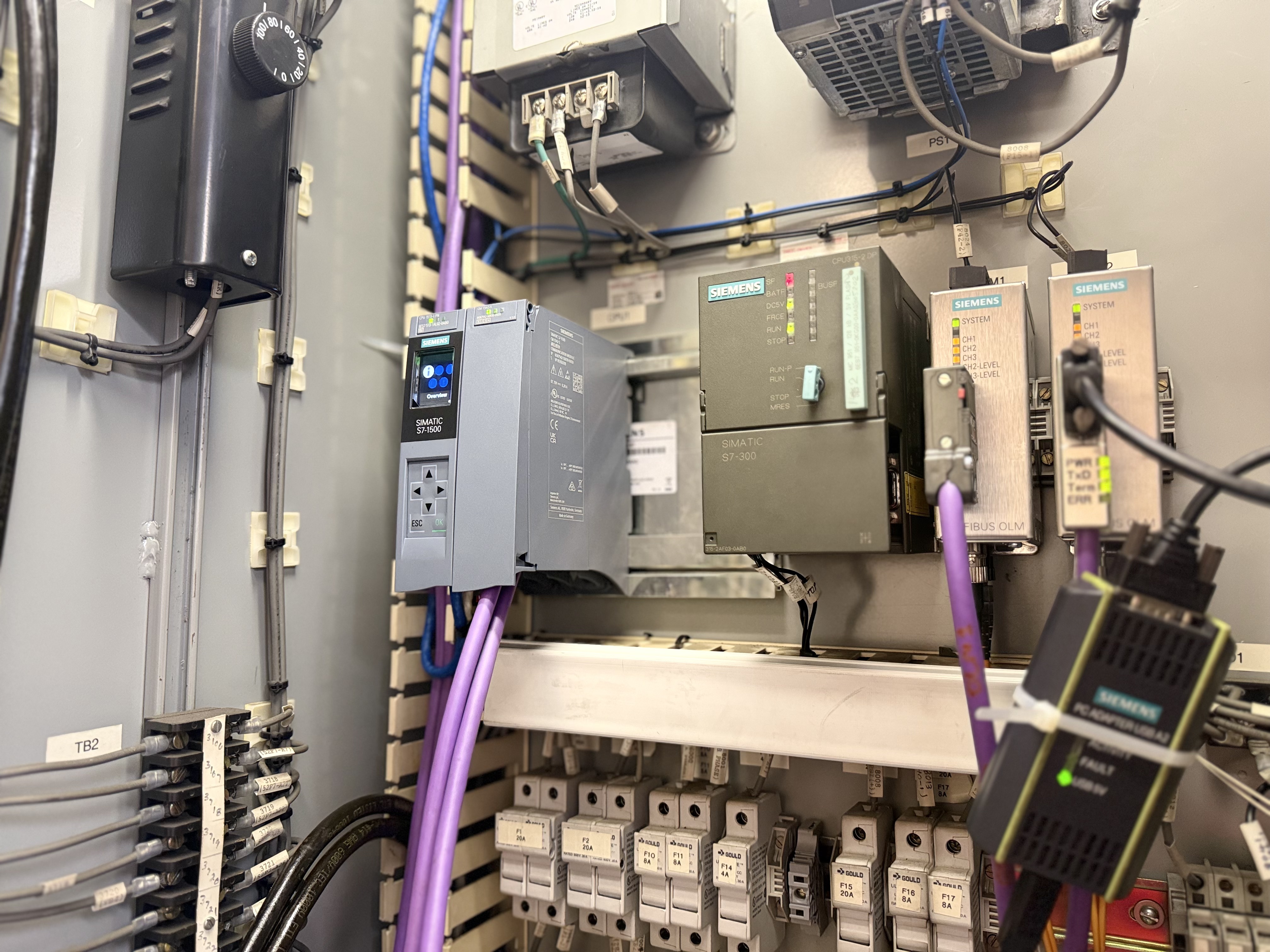
This scope focused on upgrading the SCR Main PLC controller, which serves as the central automation controller for major rig-floor systems such as generators, mud pumps, drawworks, rotary table, remote I/O stations, and operator interfaces. The existing controller was based on an obsolete Siemens S7-300 platform, creating long-term concerns related to hardware aging, spare parts availability, limited diagnostics, and future supportability.
The solution involved migrating the SCR Main PLC to a Siemens SIMATIC S7-1500 platform while maintaining compatibility with the existing Profibus DP field network. The PLC program, communication mapping, command words, status bits, and process values were reviewed, modified, and validated to ensure that the upgraded controller could communicate correctly with all connected field devices and legacy subsystems.
During commissioning, the mud pumps, drawworks, rotary table, generator monitoring, alarm handling, and Doghouse HMI communication were tested and corrected where necessary. The upgrade improved system diagnostics, communication stability, operational reliability, and future expandability while preserving the existing control philosophy.
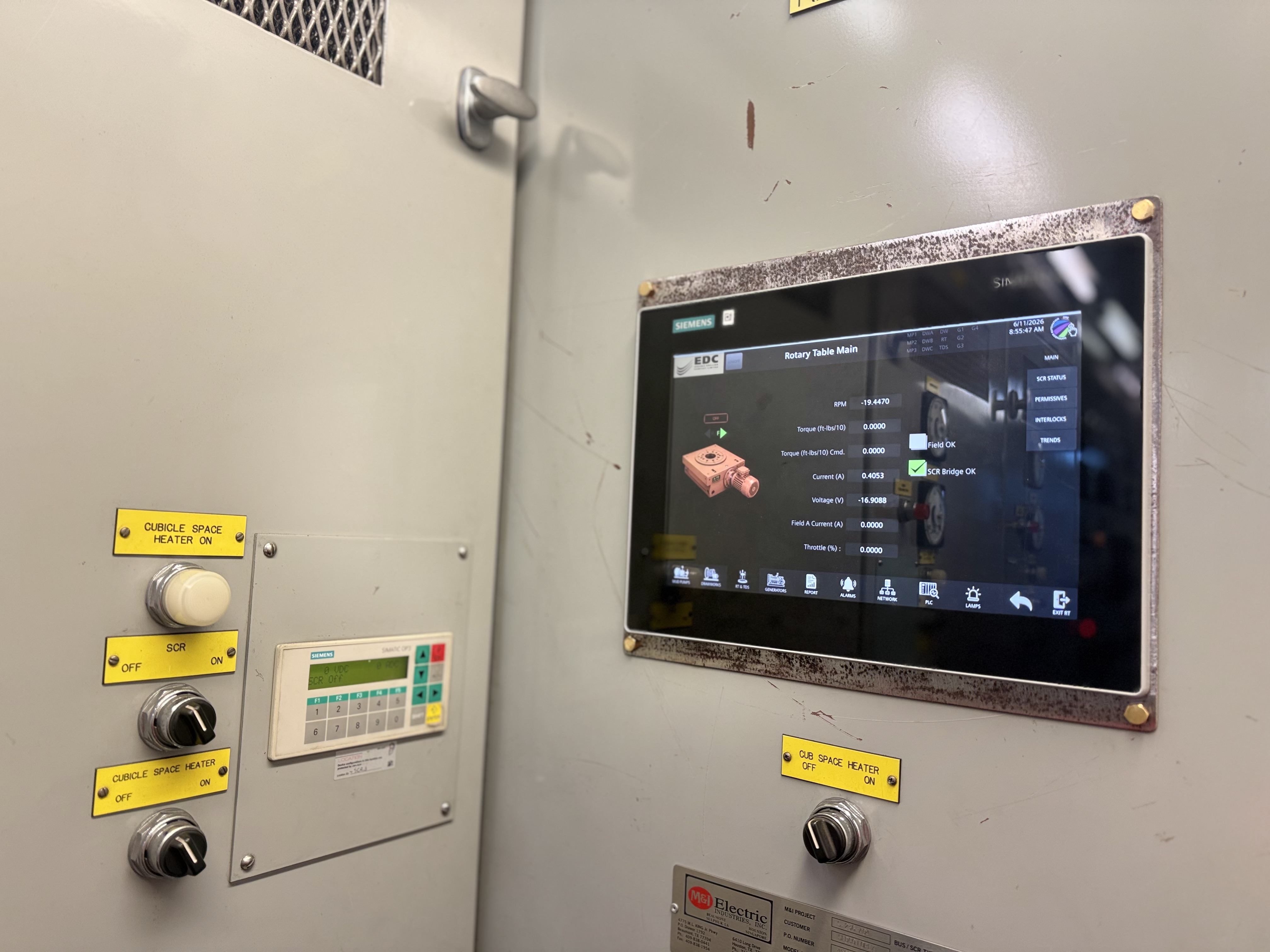
This scope covered the modernization of the SCR Network operator interface system. The previous HMI platform was based on older Siemens MP277 technology, which had become obsolete and limited in terms of visualization capability, diagnostics, performance, and long-term support.
Two Siemens MTP1200 Unified Comfort Panels were installed and commissioned: one for primary SCR network operation and another for remote monitoring and diagnostics. The legacy HMI application was reverse-engineered, rebuilt, and enhanced within the Siemens Unified environment. Existing screens, tags, alarms, navigation structures, and diagnostic functions were reconfigured for communication with the upgraded Siemens S7-1500 PLC through Profinet.
The upgraded HMI system now provides centralized visualization of generators, mud pumps, drawworks, rotary table, SCR alarms, communication diagnostics, and equipment health information. Both HMI stations were tested for stable communication, screen functionality, alarm synchronization, and simultaneous operation.
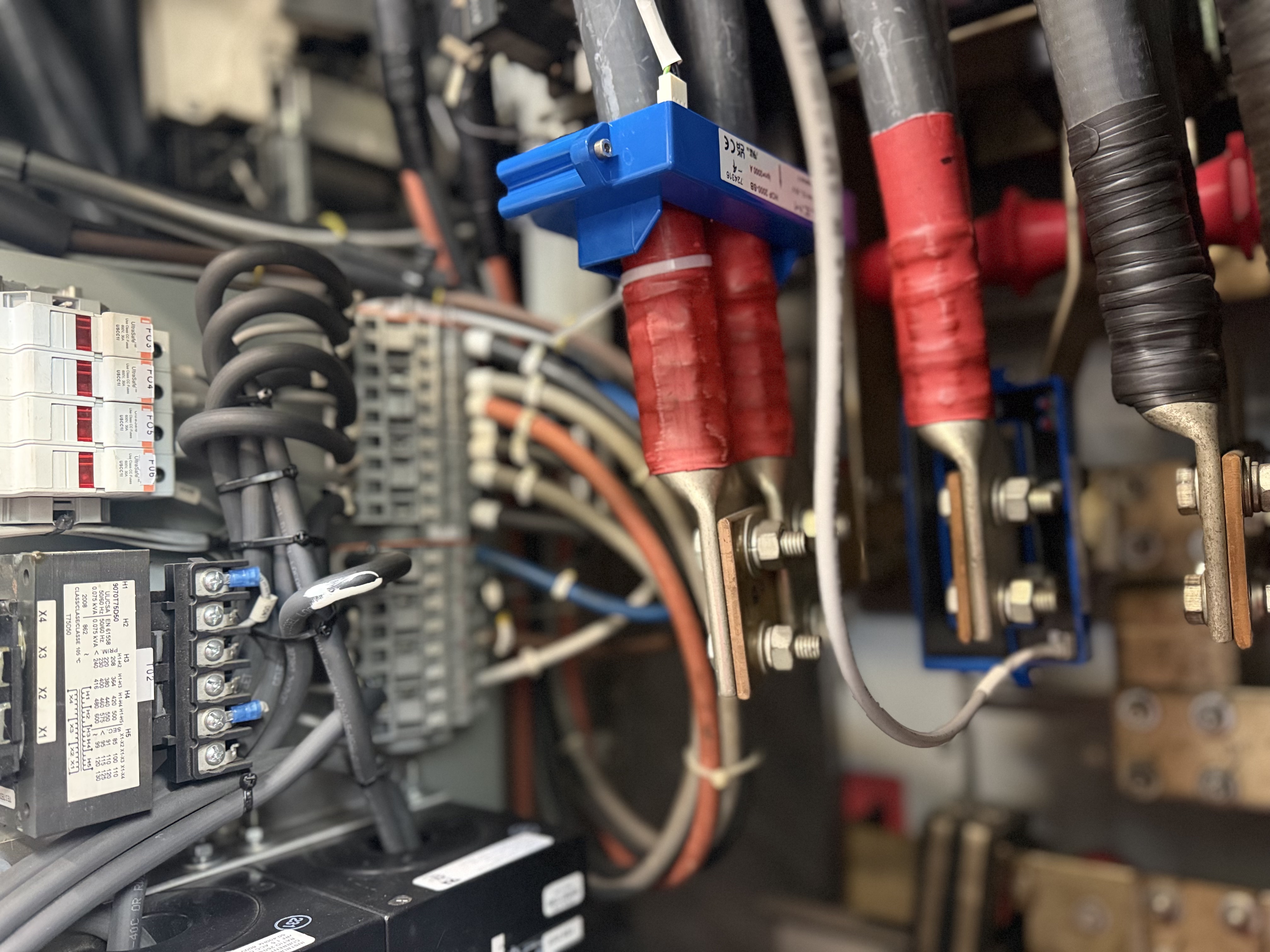
This scope addressed the need for real-time visibility of Mud Pump armature current values. Each mud pump uses Motor A and Motor B, and without dedicated current monitoring, maintenance and operations personnel had limited visibility of current sharing, motor loading, and SCR drive performance.
A current monitoring system was installed for Mud Pump No. 1, Mud Pump No. 2, and Mud Pump No. 3. Six LEM HOOP 2000-SB current transducers were used to measure the armature current of each Motor A and Motor B. The transducer outputs were connected to Siemens PLC analog input channels and scaled from 0–4 VDC into engineering values from 0 to 2000 amperes.
The measured current values were integrated into the Siemens MTP1200 Unified Comfort HMI for real-time display, monitoring, diagnostics, and future data logging. During commissioning, incorrect polarity indications were observed on some channels and were corrected by adjusting the orientation of the affected current transducers. All six channels were recalibrated, verified, and confirmed operational.
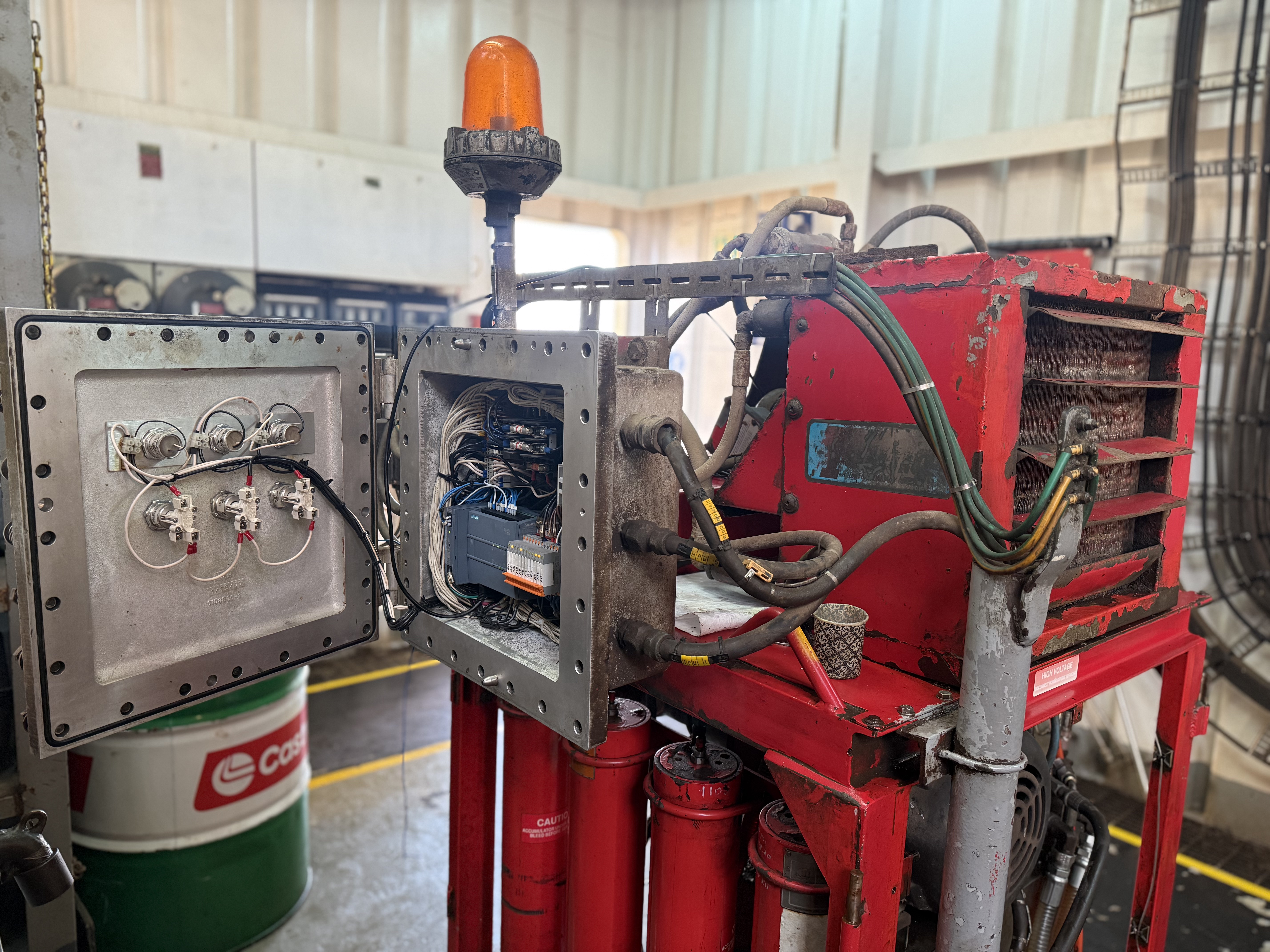
This scope involved the modernization of the Hydraulic Power Unit control system. The existing system was controlled by an obsolete EATON D50 PLC, which created supportability, diagnostics, and spare parts concerns. The HPU is an important auxiliary system because it supplies hydraulic power to the drawworks braking system.
The obsolete PLC was replaced with a Siemens SIMATIC S7-1200 PLC platform. The upgraded system maintained the required local panel operation, Doghouse remote operation, alarm handling, and signal feedback to the existing drawworks control system. Digital inputs, digital outputs, relay interfaces, power supply performance, pilot lights, alarms, and operational functions were tested and verified.
After initial commissioning, the system was reported as non-responsive during testing. Investigation confirmed that required start-up permissive conditions were not fully satisfied. The PLC logic was enhanced with improved diagnostics, rung comments, program documentation, and additional status indications, making the system easier to troubleshoot and maintain.
This scope focused on upgrading the Doghouse Remote I/O system from obsolete Siemens ET200B hardware to Siemens ET200SP distributed I/O. The existing Remote I/O platform had become difficult to maintain due to limited spare parts availability, reduced manufacturer support, and limited diagnostic capability.
The migration was designed to preserve the existing PLC I/O addressing so that the existing control program could remain compatible with the upgraded hardware. Digital inputs, digital outputs, analog inputs, and analog outputs were migrated, wired, tested, calibrated, and validated. The new ET200SP platform also provided improved diagnostics, modularity, maintainability, and future expansion capability.
Additional drilling data acquisition points were integrated into the Remote I/O system, including monitoring signals for top drive torque, top drive speed, choke pressures, standpipe pressure, cement pressure, flow out, and hook load. Profibus DP communication was verified for node detection, data exchange, communication stability, bus diagnostics, and module health status.
The overall modernization project was successfully completed, tested, and commissioned. Each upgraded system met its acceptance criteria and was verified for operational readiness.
The completed works improved the rig’s automation infrastructure by replacing obsolete hardware, enhancing PLC and HMI diagnostics, improving operator visibility, increasing system maintainability, and supporting future integration into a more unified Siemens automation architecture.
The project also established a stronger foundation for future upgrades, including wider Profinet migration, additional centralized monitoring, improved data logging, strategic spare parts planning, and continued modernization of remaining legacy control and drive systems.